Best Ever Spaghetti and Meatballs with Easy Oven-Roasted Meatballs
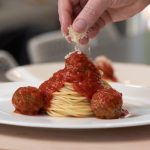
TL;DR: These easy oven-baked spaghetti and meatballs combine tender beef meatballs with a simple tomato butter sauce inspired by Marcella Hazan. Roasting the meatballs keeps the method manageable, minimizes cleanup and makes this a terrific family recipe for young cooks.
Spaghetti and meatballs is the kind of meal that we can safely say makes at least a monthly appearance in most households. But what if we told you it can be made even easier, with fewer ingredients, and…possibly made by the kids? Now it’s starting to taste even better!
This version of spaghetti and meatballs is especially good for young cooks because the meatballs go straight into the oven. There is no standing over a frying pan, no flipping meatballs through splattering oil and no watching half of them lose their shape as you chase them around the frying pan and make a mess of the stove.
While the meatballs roast, you can make the tomato butter sauce and cook the spaghetti. It is a proper family dinner, but every part of it is approachable.
And yes, kids can make it. Younger cooks will need help draining the pasta and handling the hot baking sheet, but there are plenty of jobs they can confidently take over themselves. For a lot of fun together in the kitchen, follow along with our Online Cooking Class including Spaghetti and Meatballs plus TWO more recipes to bring the meal together.
Why Oven-Baked Spaghetti and Meatballs Works
Oven-roasting cooks the meatballs evenly while allowing the outside to brown. It also gives you time to make the sauce instead of working in batches at the stove.
The secret to tender meatballs is not an egg or a long list of seasonings. It is a simple mixture of bread and milk called a panade.
The panade keeps meatballs tender
Bread absorbs the milk and creates a soft paste. When mixed with the ground beef, that paste helps hold moisture inside the meatballs as they cook.
Without it, ground beef can become firm and bouncy, especially if the mixture is handled too much. The panade gives you a more tender result with very little effort.
Gentle mixing protects the texture
Ground beef becomes dense when it is packed, squeezed or heavily stirred. Use your fingertips or a fork to combine the meat with the panade just until everything comes together.
When shaping the meatballs, roll them lightly. You want a ball, not a stress ball.
Finishing the meatballs in the sauce brings everything together
Roasting gives the meatballs colour and structure. A short simmer in the tomato butter sauce allows them to absorb flavour while sharing some of their savoury juices with the sauce.
Everybody contributes. It is a very cooperative dinner.
A Tomato Butter Sauce Inspired by Marcella Hazan
This sauce is inspired by the famous tomato, butter and onion sauce from Italian cooking authority Marcella Hazan.
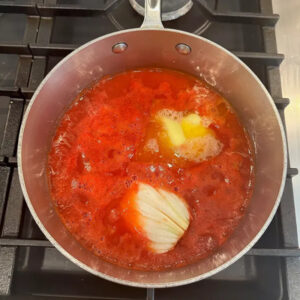
The brilliance is in its simplicity. Good canned tomatoes (we like Mutti Brand) simmer with butter and an onion cut in half. The onion gently seasons the sauce without leaving pieces behind, while the butter softens the tomatoes’ acidity and gives the sauce a silky finish.
There is no chopping, sautéing or long list of herbs. Use good-quality Italian plum tomatoes because there are very few other ingredients to hide behind.
Ingredients
For the oven-baked meatballs
- 1 slice white bread, crusts removed
- 1/4 cup (60 mL) milk
- 1 1/4 lb (567 g) lean or medium ground beef (we usually use medium or 'regular' from Fore Quarter Butcher Shop)
- Kosher Salt, as needed, but about 1 1/2 tsp.
- Freshly ground black pepper, as needed
For the tomato butter sauce
- 1 large 28 oz (796 mL) can good-quality Italian plum tomatoes (see above)
- 1 cooking onion, peeled and cut in half
- 4 to 5 tbsp (60 to 75 mL) unsalted butter
- Kosher Salt, as needed
For the pasta
- 1 package, 450 g (1 lb), spaghetti or your favourite pasta shape
- Kosher Salt, for the pasta water
Instructions
- Heat the oven. Preheat the oven to 425°F (220°C). Line a rimmed baking sheet with parchment paper.
- Make the panade. Tear the bread into small pieces and place it in a large bowl. Pour the milk over the bread. Let it sit for about five minutes, then mash it with a fork until it forms a soft paste.
- Mix the meatballs. Add the ground beef to the soaked bread. Season with salt and pepper. Use a fork or your fingertips to mix gently until the bread mixture is evenly distributed. Do not overwork the beef.
- Shape the meatballs. Divide the mixture into approximately 16 meatballs. Roll each portion lightly between your palms and arrange the meatballs on the prepared baking sheet, leaving a little space between them.
- Roast the meatballs. Bake for 15 to 18 minutes, or until lightly browned and cooked through. Ground beef should reach an internal temperature of 160°F (71°C).
- Start the tomato butter sauce. While the meatballs roast, pour the tomatoes and their juices into a wide saucepan or Dutch oven. Crush the tomatoes with clean hands, a potato masher or the back of a wooden spoon. Jody likes to completely blend the tomatoes with a hand blender.
- Add the butter and onion. Place both onion halves cut-side down in the tomatoes. Add four tablespoons of butter and a generous pinch of salt.
- Simmer the sauce. Bring the sauce to a gentle simmer over medium heat. Reduce the heat and cook uncovered for 35 to 45 minutes, stirring occasionally and crushing any remaining large pieces of tomato. Add the final tablespoon of butter if the sauce tastes particularly sharp or you would like a richer finish.
- Add the roasted meatballs. Transfer the cooked meatballs to the tomato sauce. Simmer gently for another 10 minutes so the meatballs and sauce can get properly acquainted.
- Cook the spaghetti. Bring a large pot of water to a boil. Season it until the water tastes pleasantly salty. Add the spaghetti and stir until the water returns to a boil. Cook until al dente according to the package directions.
- Save some pasta water. Before draining, scoop out approximately 1 cup (250 mL) of the cooking water.
- Drain and sauce the pasta. Remove the onion halves from the tomato sauce. Drain the spaghetti and add it to the sauce, or return it to the pot and spoon some sauce over it. Toss gently, adding a splash of pasta water if the sauce needs loosening.
- Serve immediately. Divide the spaghetti among warm bowls and top with the oven-roasted meatballs and remaining tomato butter sauce.
Notes
Jody and Kirstie’s Hot Tips
- Medium ground beef produces a juicier meatball, while lean beef works well if that is what you have.
- Let the bread soak fully before adding the beef. Dry pieces of bread will not disappear into the mixture as easily.
- Mix gently and stop as soon as the ingredients come together.
- Keep the meatballs similar in size so they cook at the same rate.
- A small scoop makes portioning easier and less messy.
- Use a wide pot for the sauce so the meatballs can simmer in a single layer.
- Even though we may be breaking up or blending them anyways, we use WHOLE canned tomatoes simply because they are better quality.
- Do not skip tasting the sauce before serving. Canned tomatoes vary in acidity and seasoning.
Easy Substitutions for Spaghetti and Meatballs
Can I use another type of ground meat?
Yes. Ground pork, turkey or chicken can work, but the flavour and texture will change. Lean poultry may require careful cooking because it dries out more quickly. Cook poultry meatballs to an internal temperature of 165°F (74°C).
Can I use another pasta shape?
Absolutely. Spaghetti is the classic choice, but rigatoni, penne, fusilli or shells all hold this tomato butter sauce beautifully. Short pasta can also be easier for younger children to serve and eat.
Can I use whole wheat bread?
Yes. A soft whole wheat sandwich bread will work, although it may give the meatballs a slightly firmer texture. Avoid dense artisan bread unless you give it extra time to soak. In a pinch we’ve used the insides of a hot dog or hamburger bun!
What to Know and What to Avoid
Do not skip the panade. Bread and milk are what keep this short ingredient list tender and forgiving.
Avoid packing the meatballs tightly. Loosely shaped meatballs stay more tender.
Do not crowd the baking sheet. Leave enough room for hot air to move around each meatball so the outside roasts instead of steams.
Keep the tomato sauce at a gentle simmer. Hard boiling can reduce it too quickly and may cause the butter to separate.
Finally, do not rinse the cooked spaghetti. The starch on the pasta helps the sauce cling.
How to Store and Reheat Spaghetti and Meatballs
Store leftover meatballs and tomato sauce together in a covered container in the refrigerator for up to three days.
Whenever possible, store the pasta separately. Spaghetti continues absorbing sauce while it sits and can become soft.
Reheat the sauce and meatballs gently in a covered saucepan over medium-low heat. Add a splash of water if the sauce has thickened. Reheat the pasta separately or add it during the final few minutes.
The meatballs and sauce can also be frozen together for up to three months. Cool completely, transfer to a freezer-safe container and thaw overnight in the refrigerator before reheating.
Frequently Asked Questions
Is it better to bake or fry meatballs?
Both methods work, but oven-roasting is easier and less messy. It cooks a full batch at once, helps the meatballs keep their shape and still creates some browning on the outside.
Why are my meatballs tough?
Tough meatballs usually come from overmixing, packing them too tightly or cooking them too long. Mix the beef gently, shape it loosely and remove the meatballs from the oven when they reach 160°F (71°C).
Do meatballs need eggs?
Not always. This recipe uses a bread-and-milk panade to provide moisture and help the mixture hold together. Gentle shaping and oven-roasting also help the meatballs keep their form.
Can kids help make spaghetti and meatballs?
Yes. Kids can soak the bread, mix and shape the meatballs, crush the tomatoes and help measure ingredients. Adults should supervise raw meat handling and take over jobs involving boiling water, the oven and the hot baking sheet.
Why is there a whole onion in the tomato sauce?
The halved onion gently seasons the tomatoes as they simmer without leaving chopped pieces in the finished sauce. Remove the onion before tossing the sauce with the spaghetti.
Key Takeaways
- A bread-and-milk panade keeps the meatballs tender.
- Gentle mixing prevents dense meatballs.
- Oven-roasting cooks the full batch with less mess.
- Butter balances the acidity of canned tomatoes.
- A short simmer in the sauce brings the meatballs and tomatoes together.
Want your young cook to make this family favourite with us step by step? Join our Kids Can Cook: Spaghetti & Meatballs Junior Chef Cooking Class, where we guide kids through the recipe, teach the skills behind it and make sure no young cook is left behind.
About the Chefs
Jody O’Malley and Kirstie Herbstreit are Red Seal certified chef co-owners of The Culinary Studio in Waterloo, Ontario. Jody graduated from Stratford Chefs School in 2002, and Kirstie graduated from SAIT in 2003. Together, they bring more than 20 years of professional cooking experience and 15 years of leading culinary education. They teach the science and techniques behind great food and co-host the Chef Over Your Shoulder podcast with Amy Schlueter.