Turkey Schnitzel Recipe: The Secret to a Perfect Crispy Crust
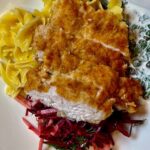
Thanksgiving meets Oktoberfest with this crispy turkey schnitzel: thin turkey breast cutlets, crunchy panko breading and a bright, creamy parsley lemon sauce.
If a whole roast turkey isn’t in the cards this year, this is such a good way to keep turkey on the Thanksgiving table. It’s quick enough for a weeknight, special enough for company and brings a little German-inspired Oktoberfest fun to dinner.
And we’re sharing one of our favourite Culinary Studio tricks for better breading: skip the whole eggs and use egg whites.
We’ve been teaching this technique for years, and lately we’re hearing on the streets that you’re loving it too. Egg whites help the breadcrumbs cling beautifully to the meat and give you a light, crisp coating.
Once you try it, you may never go back. Or so Kirstie’s mom says!
Why Turkey Makes Great Schnitzel
Schnitzel is all about taking a piece of meat, pounding it thin, breading it and shallow-frying it until golden and crisp.
Turkey breast works particularly well because it’s lean and cooks very quickly once it has been pounded to an even thickness.
We also salt the turkey cutlets before breading them. Think of this as giving your turkey a very quick version of a brine. Salt has time to penetrate beyond the surface of the meat, seasoning it and helping you end up with juicy turkey underneath that crispy coating.
If you want to learn more about why we brine turkey, check out our complete Turkey Brining Guide.
- Prep Time: 15 minutes
- Cook Time: 10-15 min
- Total Time: 30 mins
- Yield: 4 servings 1x
Ingredients
For the Turkey Schnitzel
- 4 x 6 oz turkey breast cutlets
- Kosher salt and freshly ground black pepper, as needed
- ½ cup all-purpose flour
- 2 egg whites, well beaten
- 1½ cups panko breadcrumbs
- neutral oil, as needed, for frying
For the Parsley Lemon Sauce
- Zest and juice of ½ lemon
- 1 tbsp capers, plus a little caper brine
- 2 heaping tbsp. Hellmann’s mayonnaise
- 4–5 sprigs flat-leaf parsley, finely chopped
- Pinch of kosher salt
Instructions
1. Pound and Salt the Turkey
Place the turkey cutlets on a cutting board and cover them with a zip-top bag or plastic wrap. Using a meat pounder or another heavy, flat object, gently pound each cutlet to an even ¼- to ½-inch thickness.
Season both sides generously with kosher salt.
If you have time, let the salted turkey sit while you prepare the rest of your ingredients. This gives the salt a chance to work its way into the meat instead of simply sitting on the surface.
2. Set Up Your Breading Station
Set out three shallow bowls or dishes.
Add the flour to the first, well-beaten egg whites to the second and panko breadcrumbs to the third. Lightly season the flour and breadcrumbs with salt and pepper.
Working with one turkey cutlet at a time:
-
Dredge it in the flour and shake off any excess.
-
Dip it into the beaten egg whites, coating both sides.
-
Transfer it to the panko and coat completely.
Repeat with the remaining turkey.
The Culinary Studio Secret: Use Egg Whites for Breading
Here’s one of those little cooking techniques that can make a surprisingly big difference.
You don’t need whole eggs for breading. We use egg whites.
The egg white gives the flour-coated turkey a slightly tacky surface that helps those panko breadcrumbs adhere beautifully. Once it hits the hot oil, you get a crisp coating that stays where it belongs.
We’ve been teaching this trick in our cooking classes for years, and we keep hearing from people who have started using it at home.
Chef Tip: Beat the whites really well. You’re not trying to whip them into peaks. You just want to loosen them until they’re slightly frothy and easy to dip into.
And don’t save this trick just for turkey schnitzel. Try it the next time you bread chicken, pork or vegetables.
3. Fry the Turkey Schnitzel
Heat a large frying pan over medium heat for a minute or two. Add enough neutral oil to generously coat the bottom of the pan.
Once the oil is hot, carefully add the turkey cutlets. Don’t overcrowd the pan. If your pan isn’t large enough, cook the schnitzel in batches.
Cook for 3–4 minutes on the first side, until deeply golden and crisp.
Flip and cook for another 2–3 minutes, adjusting the heat if necessary. You want enough heat to keep the coating crisp without browning the panko before the turkey is cooked through. We call this the pancake method: cooking one side longer than the other.
Transfer the cooked schnitzel to a cooling rack fitted on top of a baking sheet or a paper towel-lined plate and immediately season with a little more kosher salt. Serve immediately or keep warm in a 250F oven for up to 15 minutes.
4. Make the Parsley Lemon Sauce
While the turkey cooks, combine the lemon zest and juice, capers, a little caper brine, mayonnaise, chopped parsley and a pinch of salt in a small bowl. Give it a stir and you’re done! It’s creamy, salty and bright, which is exactly what you want next to hot, crispy turkey schnitzel.
Notes
What to Serve with Turkey Schnitzel
This is where our Thanksgiving-meets-Oktoberfest dinner really starts to come together.
For more of an Oktoberfest-inspired meal, try serving your turkey schnitzel with:
-
Braised or fresh red cabbage
-
Buttered egg noodles
-
Roasted potatoes, such as these ones
-
Cucumber salad
Or take it straight back to Thanksgiving with:
-
Cranberry sauce
-
Roasted Brussels sprouts
-
Green beans
-
Mashed potatoes
And yes, turkey schnitzel with cranberry sauce absolutely works.
You’ve got crispy turkey, tart cranberry and that creamy lemon-caper sauce. We wouldn’t say no to that plate.
Chef Tips for Crispy Turkey Schnitzel
Pound the Turkey Evenly
The goal isn’t simply to make the turkey thinner. You want an even thickness from one end to the other so the entire cutlet cooks at the same rate. Ask your favourite butcher to do this for you if you like!
Don’t Skip the Salt
Seasoning the turkey before breading gives the salt time to work into the meat. This is especially helpful with lean turkey breast.
Shake Off Excess Flour
More flour does not mean more crunch. You want a thin, even coating. Shake off the excess before moving the turkey into the egg whites.
Use Panko for Extra Crunch
Traditional schnitzel may use finer breadcrumbs, but we love panko here because of the texture it gives the finished turkey.
Don’t Crowd the Pan
Adding too much turkey at once drops the temperature of the oil. Instead of immediately frying, your breading starts soaking up oil.
Give those cutlets some room.
Season While It’s Hot
As soon as the schnitzel comes out of the frying pan, hit it with a little kosher salt. It sticks to the hot coating and makes a noticeable difference.
Substitutions
Can I Use Chicken Instead of Turkey?
Absolutely. Boneless, skinless chicken breasts or chicken cutlets work beautifully.
Pound them to the same ¼- to ½-inch thickness and follow the recipe as written.
Can I Use Regular Breadcrumbs Instead of Panko?
Yes. Regular breadcrumbs will give you a finer coating that’s closer to some traditional schnitzel preparations.
We prefer panko in this recipe because we want that extra crunch.
What are some types of neutral oil?
Use another neutral oil that can handle higher cooking temperatures. Vegetable, sunflower or grapeseed oil are all good choices.
How to Store and Reheat Turkey Schnitzel
Turkey schnitzel is at its absolute best straight from the frying pan, but leftovers can be stored in an airtight container in the refrigerator for up to 3 days.
To reheat it, skip the microwave if possible. The microwave will heat your turkey, but that beautiful crispy breading won’t be nearly as beautiful anymore.
Reheat turkey schnitzel in a 375°F oven or air fryer until hot and crisp.
Keep an eye on it. Because the turkey is thin, it doesn’t take long to heat through and you don’t want to dry it out.
Store the parsley lemon sauce separately in the refrigerator.
Turkey Schnitzel FAQs
What Is Schnitzel?
Schnitzel is a thin piece of meat that is breaded and fried until golden and crisp. Pork and veal are common choices, but turkey breast makes an excellent schnitzel because it cooks quickly and stays tender when properly prepared.
How Do You Keep Breading From Falling Off Schnitzel?
Start by patting your meat dry. Coat it lightly in flour and shake off the excess before dipping it into well-beaten egg whites and then your breadcrumbs.
Each layer has a job. The flour sticks to the turkey, the egg white sticks to the flour and the breadcrumbs stick to the egg white.
Why Use Egg Whites Instead of Whole Eggs for Breading?
Egg whites are excellent at helping breadcrumbs adhere to the surface of meat.
Once beaten, they create the sticky layer we need between the flour and panko, helping you get an even, crisp coating that stays attached during cooking.
It’s a simple technique, but it’s one we use over and over again.
Why Is My Schnitzel Soggy Instead of Crispy?
Usually, the oil isn’t hot enough or the pan has been overcrowded.
The schnitzel should start sizzling as soon as it hits the pan. If several cold cutlets go into a small pan at once, the oil temperature drops and your breading starts absorbing oil instead of frying in it.
How Do I Know When Turkey Schnitzel Is Cooked?
Because the turkey has been pounded thin, it cooks quickly.
You’re looking for a deeply golden exterior and turkey that is cooked through in the centre. Turkey should reach an internal temperature of 165°F (74°C).
Can I Bread Turkey Schnitzel Ahead of Time?
Yes. You can pound and bread the turkey earlier in the day and keep it refrigerated until you’re ready to cook.
For the best texture, fry your schnitzel shortly before serving.
Can I Make Turkey Schnitzel in the Air Fryer?
Yes. Lightly spray both sides of the breaded turkey with oil and air fry at 400°F, flipping once, until golden, crisp and cooked to 165°F (74°C).
Cooking time will depend on the thickness of your turkey and your particular air fryer, so start checking early.
Thanksgiving Meets Oktoberfest
Maybe you’re having a smaller Thanksgiving this year. Maybe you don’t want to roast a whole bird. Or maybe you’re simply looking for a different way to put turkey on the table.
This turkey schnitzel gives you a little bit of both holidays: turkey for Thanksgiving, crispy schnitzel for Oktoberfest and a dinner that doesn’t require an entire day in the kitchen.
And if you’re ready to lean even further into Oktoberfest, cook along with our Oktoberfest Cooking Class!
About the Chefs
Jody O’Malley and Kirstie Herbstreit are Red Seal certified chefs and co-owners of The Culinary Studio in Waterloo, Ontario.
Jody graduated from Stratford Chefs School in 2002, and Kirstie graduated from SAIT’s Professional Cooking program in 2003. Together, they have more than 20 years of professional cooking experience and have spent the past 15 years teaching home cooks the techniques and science behind great food.
They teach live and on-demand cooking classes through The Culinary Studio and co-host the Chef Over Your Shoulder podcast with Amy Schlueter.
Find it online: https://blog.theculinarystudio.ca/recipes/turkey-schnitzel/