
This post contains affiliate links
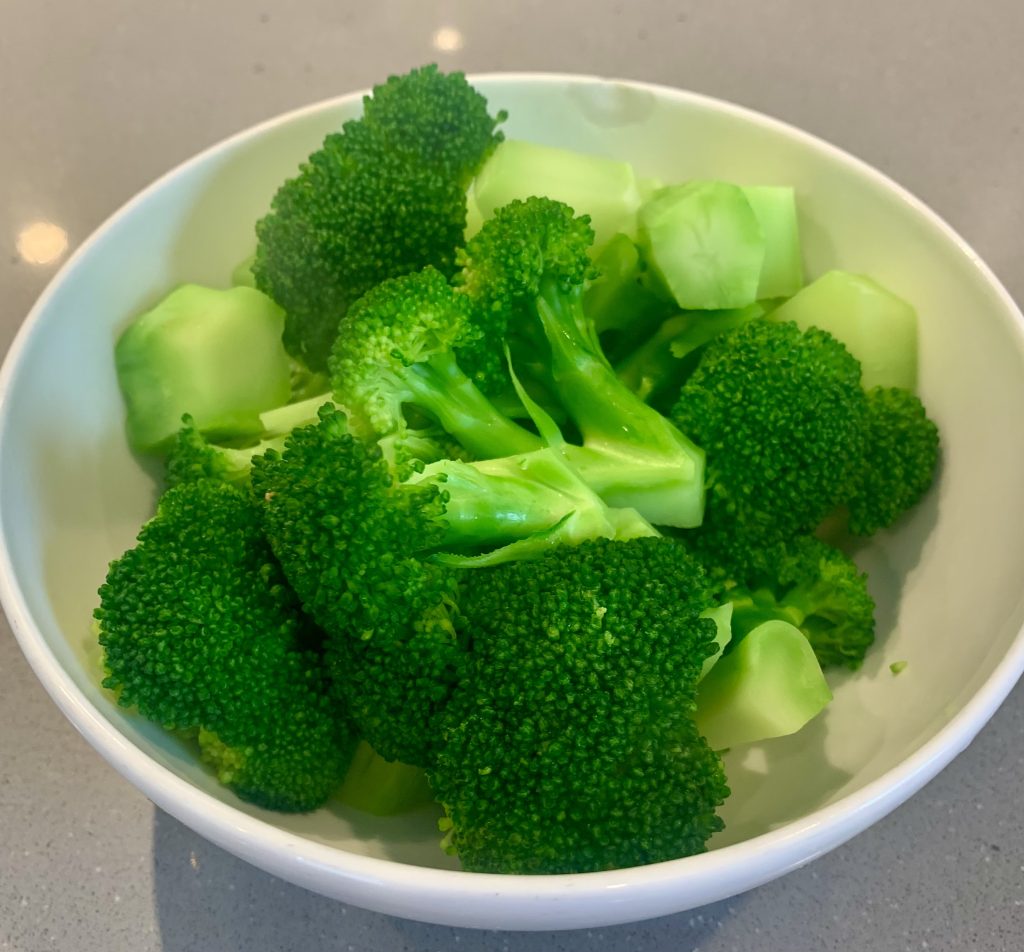
TL;DR: Blanching broccoli keeps it bright green, crisp-tender, and full of fresh flavour. It also improves texture, preserves colour, and makes broccoli easier to use in salads, stir-fries, meal prep, and freezer meals.
There’s a reason why broccoli is the first thing to go on our kids plates. If you’ve only experienced broccoli that’s been boiled until it’s dull, mushy, and grey-green, get ready for this life-changing tip! As chefs (and moms!) we blanch broccoli (and other green veg) almost every week because it’s one of the easiest techniques to make this humble vegetable taste fresher, look more appealing, and last longer in the fridge. And it goes with so many dinners. Here’s exactly why it works and how to do it. We’ve written this blog in the summer, when we can get giant heads of local, fresh broccoli from the Farmer’s Market. But honestly, we cook it year round as it is readily available.
Why You Should Blanch Broccoli
Blanching broccoli briefly cooks it in boiling water before immediately cooling it in ice water. This simple technique locks in colour, improves texture, and slows down the natural enzymes that cause vegetables to deteriorate.
Whether you’re making a broccoli salad, prepping vegetables for the week, or freezing garden broccoli, blanching is one of the best tricks every home cook should know.
You’ll notice:
- Vibrant green colour
- Crisp, tender texture
- Better flavour
- Longer refrigerator life
- Faster cooking later
We almost always blanch broccoli before adding it to pasta salads, grain bowls, or vegetable platters. It tastes fresher, stays crunchy, and simply looks better.
The Science Behind Blanching Broccoli
Broccoli contains enzymes that continue working even after it’s picked. Those enzymes slowly break down the vegetable, causing dull colour, loss of flavour, and softer texture over time.
The brief trip through SALTED boiling water stops those enzymes in their tracks. The amount of salt that you use is important: salt brings out the sweetness of the broccoli. Your water should taste pleasantly salty (we usually use about 2-3 tablespoons of Diamond Crystal Kosher Salt per large pot of water).
Then comes the ice bath.
The sudden temperature change immediately stops the cooking process, so the broccoli doesn’t continue softening. Instead, it stays crisp while keeping that beautiful emerald-green colour.
There’s another bonus.
Blanching slightly softens the tough outer cell walls without overcooking the inside. That’s why blanched broccoli has a satisfying bite instead of feeling raw or woody.
It’s a simple bit of food science that makes a huge difference.
How to Blanch Broccoli
What You’ll Need
- 1 large head broccoli
- Large pot of heavily salted water
- Large bowl filled with ice water
- Slotted spoon or spider strainer
Step 1: Prepare the Broccoli
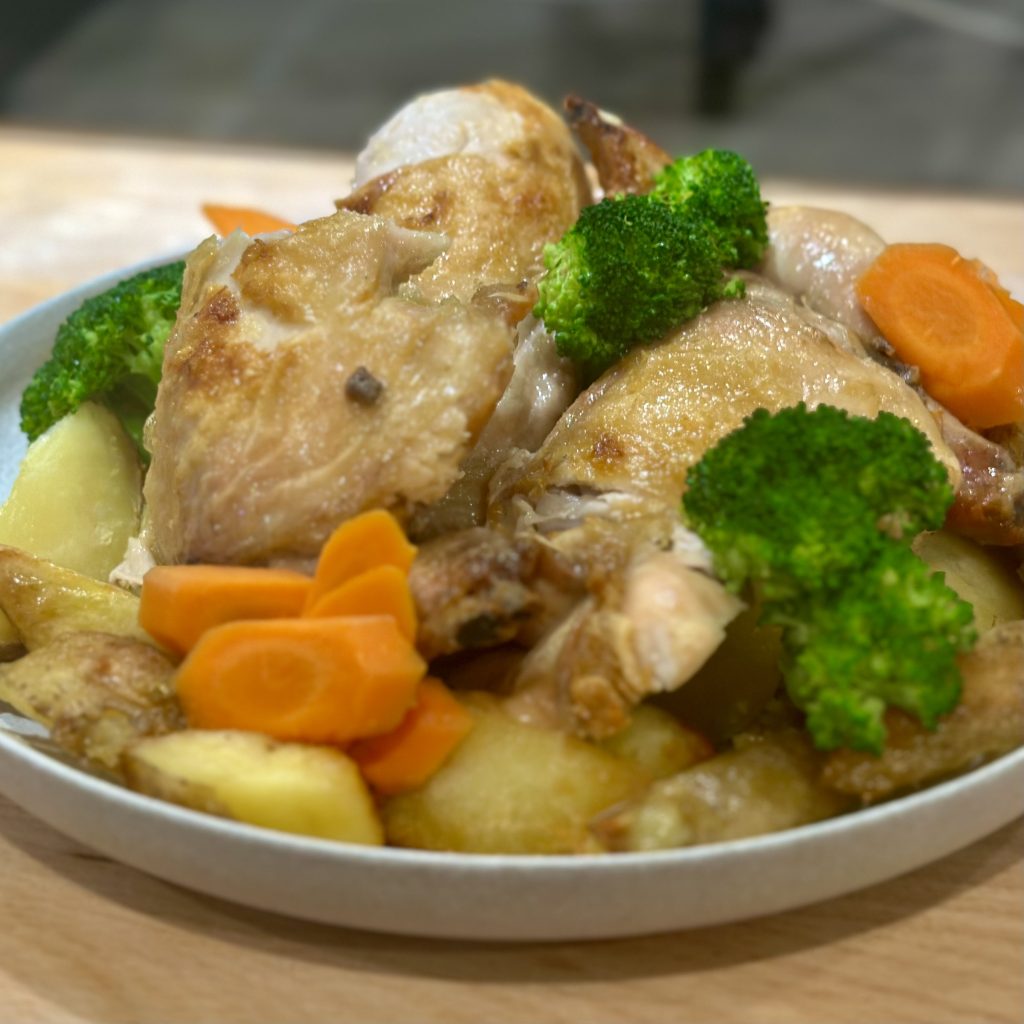
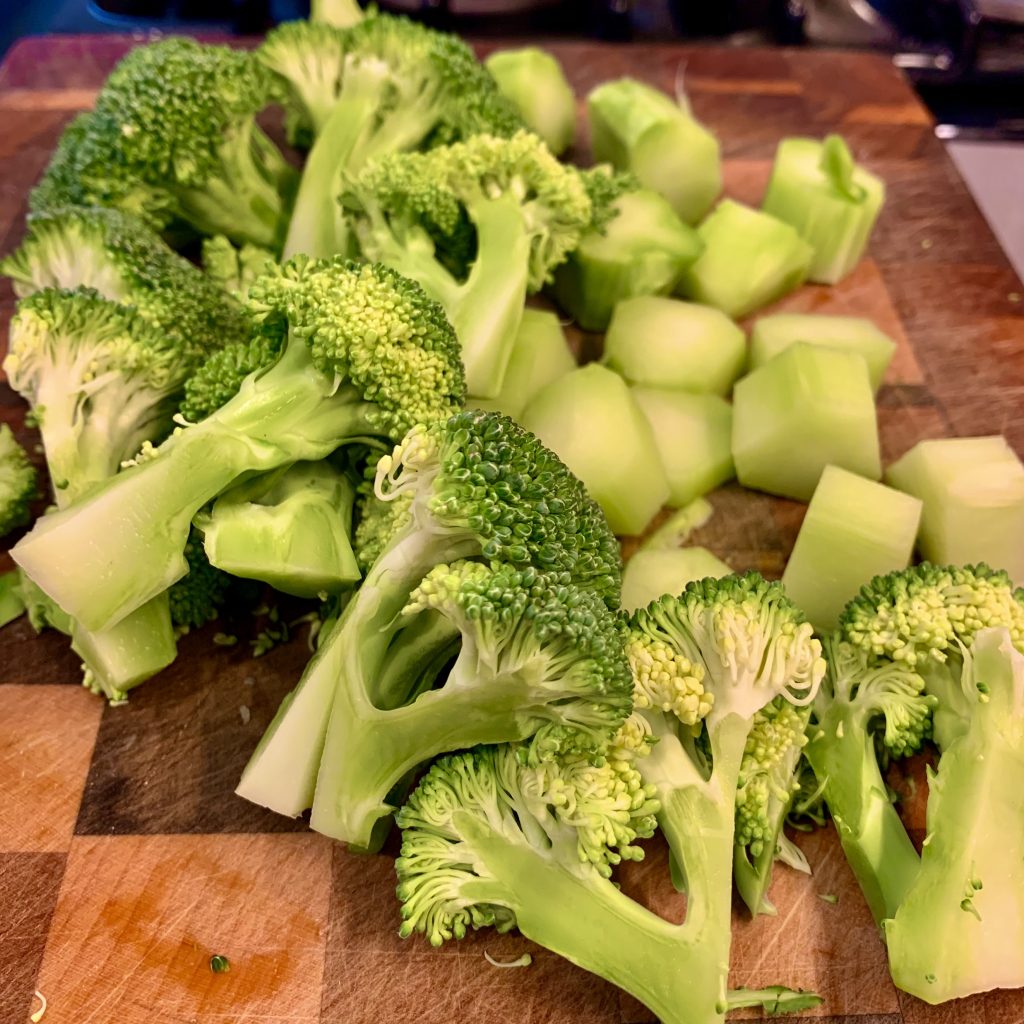
Cut the broccoli into evenly sized florets. Peel and slice the stalk too. Don’t throw it away. The stem is sweet, tender, and one of our favourite parts.
Step 2: Boil the Water
Bring a large pot of water to a rolling boil. Once it’s boiling, add the salt. If you add it too soon, the water will just evaporate quicker. Adding salt once it comes to the boil is a satisfying thing to do in the kitchen–the water velocity will speed up and help cook that broccoli even faster!
The water should taste almost like the ocean. Salt seasons the broccoli from the inside (brings out it’s natural sugars) while helping preserve its bright green colour.
Step 3: Cook Briefly
Add the broccoli and cook for 2 to 3 minutes.
The broccoli should become bright green while still remaining firm.
Step 4: Shock in Ice Water (optional):
Transfer immediately into an ice bath. Leave it there for about the same amount of time it cooked. This stops the cooking instantly. We’ll only do this if we are prepping ahead of time. If serving the fam, the broccoli gets drained immediately and served.
Alternatively, more often than not, we grab for our kitchen spider to remove the broccoli from the pot, right into a serving bowl.
Step 5: Drain Well
Drain thoroughly and pat dry with towels before storing or using. Extra moisture is the enemy of crisp vegetables.
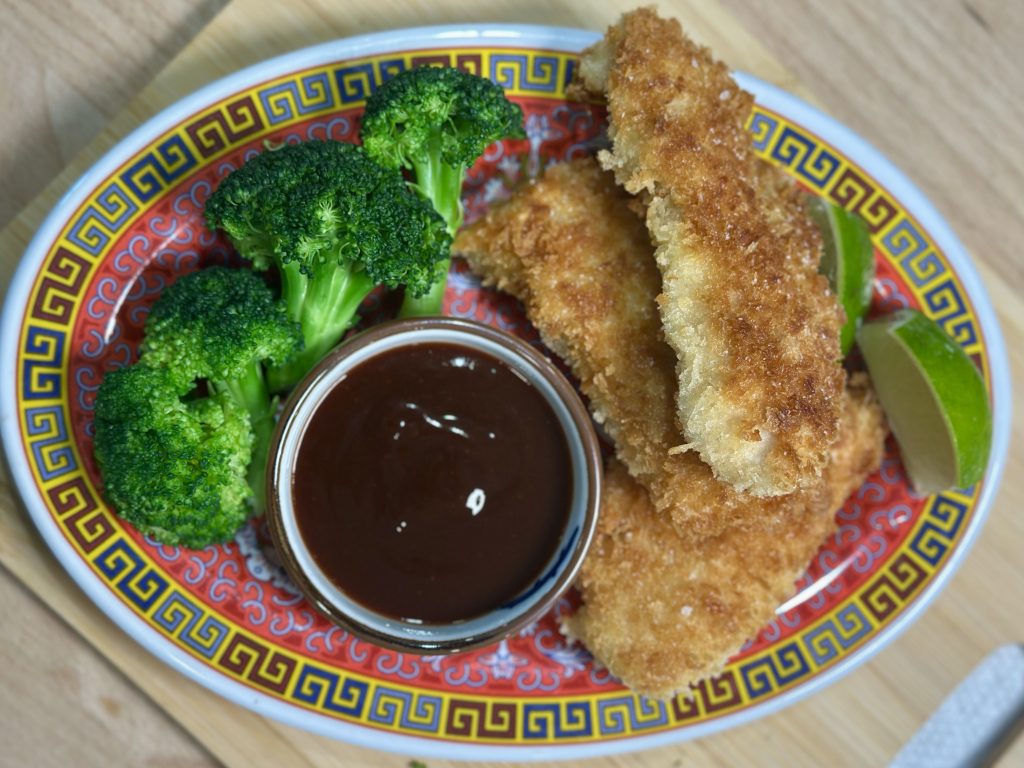
Panko-Chicken Fingers with Blanched Broccoli
When Should You Blanch Broccoli?
Blanching isn’t necessary every time you cook broccoli. Here’s when we almost always do it:
Meal Prep
Blanched broccoli stays fresh for several days and reheats beautifully.
Vegetable Platters
Bright green broccoli always disappears faster than dull broccoli. People really do eat with their eyes.
Freezing
If you’re freezing broccoli, blanching is essential. Without blanching, enzymes continue working in the freezer, affecting flavour and texture over time.
Stir-Fries
Blanching gives you a head start so the broccoli cooks quickly in the wok without burning everything else.
Can You Skip the Ice Bath?
Technically yes. Should you?
Without the ice bath, broccoli keeps cooking from its own residual heat. That’s how perfectly cooked broccoli turns soft before dinner is even ready.
If you’re serving it immediately and like it slightly softer, you can spread it on a baking sheet to cool instead, but ice water gives the best results.
Chef Tips
Jody and Kirstie’s Hot Tips
- Salt your water generously. It seasons the broccoli from the inside.
- Use plenty of water. A crowded pot lowers the temperature too much.
- Dry the broccoli well before refrigerating to keep it crisp.
- Don’t throw away the stems. Peel them and slice them into salads or stir-fries.
- Freeze after blanching by spreading florets on a baking sheet first, then transferring them to freezer bags.
Substitutions
- Broccolini can be blanched using the same method, but reduce the cooking time to about 90 seconds.
- Asparagus is cooks quickly in salted blanched water. Hit with butter immediately!
- Cauliflower works well with a slightly longer blanch of 3 to 4 minutes.
- Romanesco follows the same technique as broccoli.
What to Know (and Avoid)
Don’t overcook the broccoli. Two to three minutes is usually enough.
Don’t skip the ice bath if you want crisp broccoli.
Don’t leave broccoli sitting in water after it has cooled. Drain it well or it will become waterlogged.
Don’t refrigerate warm broccoli in a sealed container. Let it cool completely first.
Storage Recommendations
Store blanched broccoli in an airtight container lined with paper towel for up to 5 days.
It reheats beautifully in stir-fries, pasta, soups, or on sheet pan dinners.
For freezing, blanch first, cool completely, dry thoroughly, and freeze in a single layer before transferring to freezer bags. It keeps well for up to one year.
FAQ
Should broccoli be blanched before freezing?
Yes. Blanching stops the enzymes that continue breaking down vegetables during freezer storage. Frozen broccoli will taste fresher and keep its texture much better.
How long do you blanch broccoli?
Most florets only need 2 to 3 minutes in boiling water, followed immediately by an ice bath.
Is blanched broccoli healthier than boiled broccoli?
Blanching uses a much shorter cooking time than boiling, helping preserve texture, colour, and some heat-sensitive nutrients.
Can you eat blanched broccoli cold?
Absolutely. We love it in salads, lunch boxes, grain bowls, and vegetable platters.
Why is my broccoli still dull green?
It was probably cooked too long or wasn’t cooled quickly enough after blanching.
Key Takeaways
- Blanching preserves broccoli’s bright green colour and crisp texture.
- The ice bath is just as important as the boiling water.
- Blanch broccoli before freezing, meal prepping, or making salads.
- Two to three minutes is all most broccoli needs.
- Dry broccoli thoroughly before storing to keep it crisp.
Ready to Cook Along With Us?
Learning simple techniques like blanching broccoli is exactly what we teach in our live online cooking classes. Whether you’re building confidence in the kitchen or looking to sharpen your skills, we’d love to cook alongside you.
Browse our live cooking classes here:
https://www.theculinarystudio.ca/collections/classes
About the Authors
Jody O’Malley and Kirstie Herbstreit are Red Seal certified chef co-owners of The Culinary Studio in Waterloo, Ontario. Jody graduated from Stratford Chefs School in 2002, and Kirstie graduated from SAIT in 2003. Together, they have more than 20 years of professional cooking experience and have spent the past 15 years building one of Canada’s leading culinary education companies. Through live online cooking classes, on-demand courses, corporate events, and their Chef Over Your Shoulder podcast with Amy Schlueter, they help home cooks understand not just how to cook, but why great techniques work.
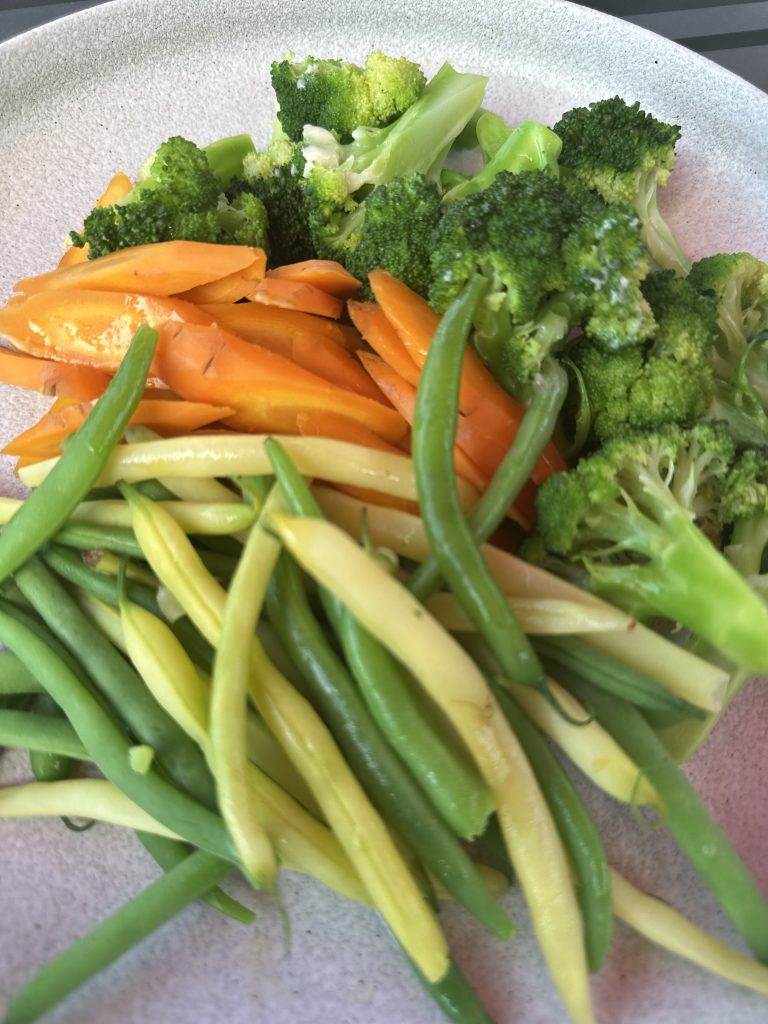
Blanched Broccoli & other market veggies


