This post contains affiliate links
TL;DR: Fresh herbs can completely change a dish, but knowing which ones to cook, which ones to add at the end and how to store them makes all the difference. We’ll show you how to choose, prep, store and actually USE that bunch of herbs before it turns into expensive compost.
When it comes to fresh herbs, if you know us, you know our saying: More is More! Fresh herbs are one of those ingredients we buy with excellent intentions. You need three tablespoons of cilantro for Tuesday’s dinner, and by Friday the rest of the bunch is quietly liquefying in the back of the fridge.
We can do better.
How to Use Fresh Herbs in Cooking
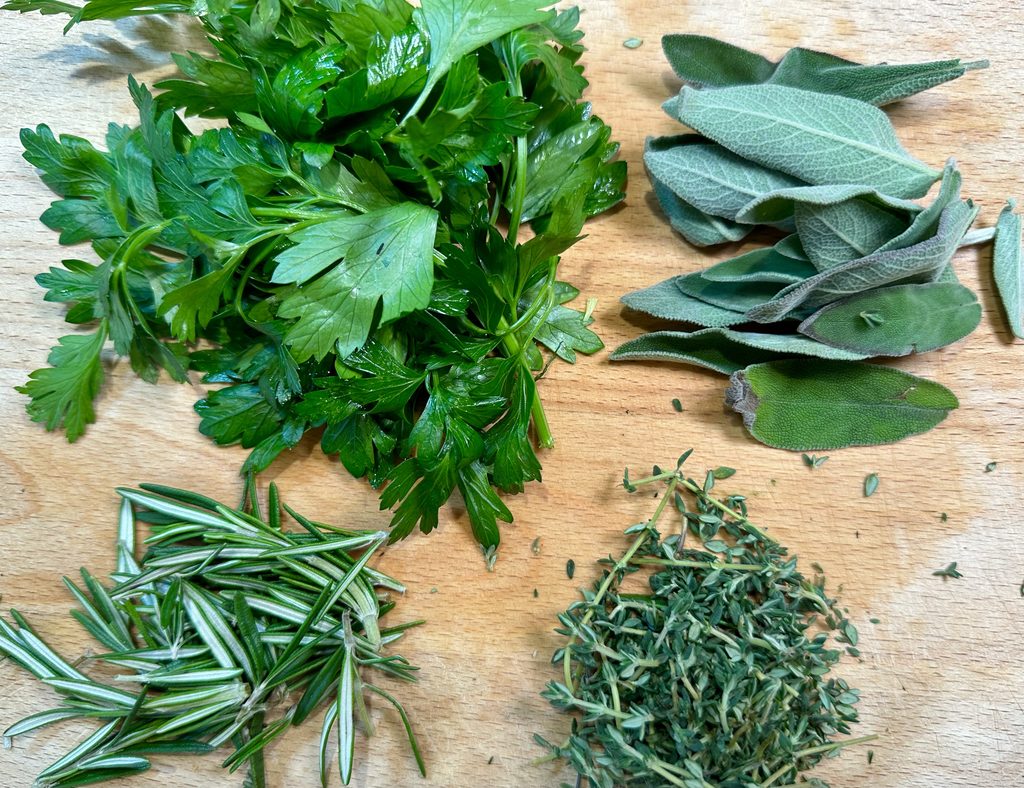
The easiest way to understand fresh herbs is to divide them into two broad groups: tender herbs and hardy or woody herbs. Tender herbs generally shine when added raw or toward the end of cooking, while sturdier herbs can handle longer cooking and higher heat.
Knowing when to add an herb is often more important than knowing how much.
| Tender Herbs | Hardy/Woody Herbs |
|---|---|
| Basil | Rosemary |
| Cilantro | Thyme |
| Parsley | Sage |
| Mint | Oregano |
| Dill | Bay leaf |
| Chives | Savoury |
| Tarragon |
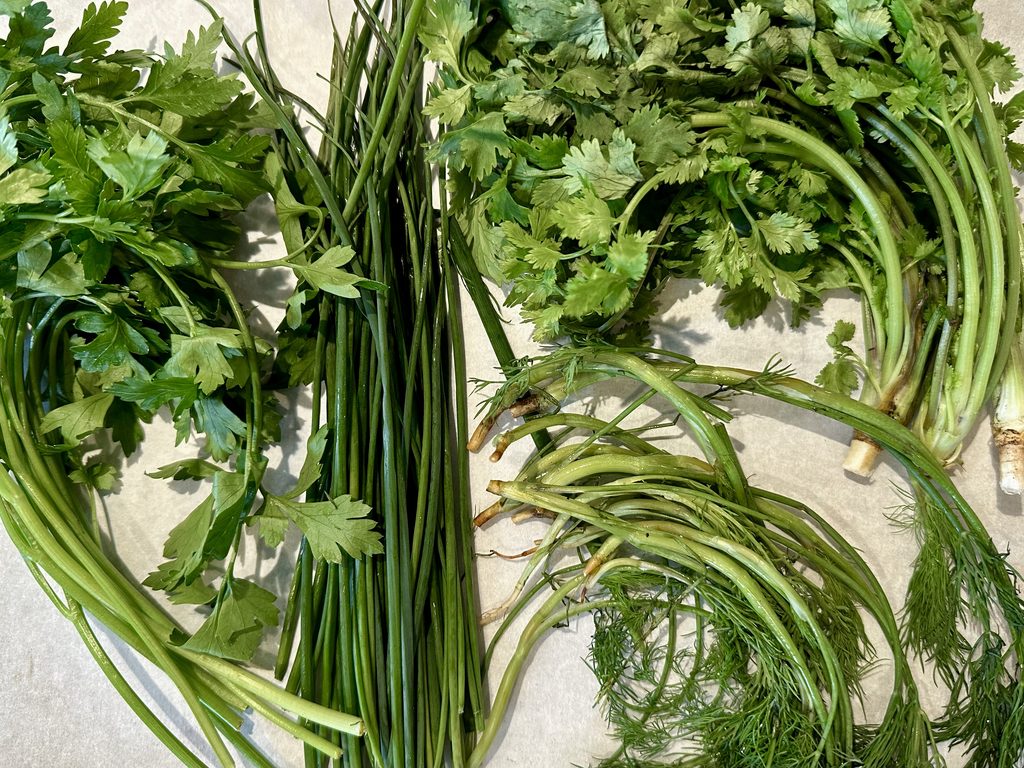
Tender Herbs: Basil, Cilantro, Parsley, Mint, Dill & More
Tender herbs have soft stems and delicate leaves, and their fresh aromas can disappear with prolonged cooking. Use them generously and add them toward the end of cooking or after the food comes off the heat.
Cilantro
Cilantro might be the most divisive herb out there. If it tastes like soap to you, there’s a genetic reason for that. Some people have variations in smell-receptor genes that make them especially sensitive to the aldehydes in cilantro, compounds that are also found in soaps.
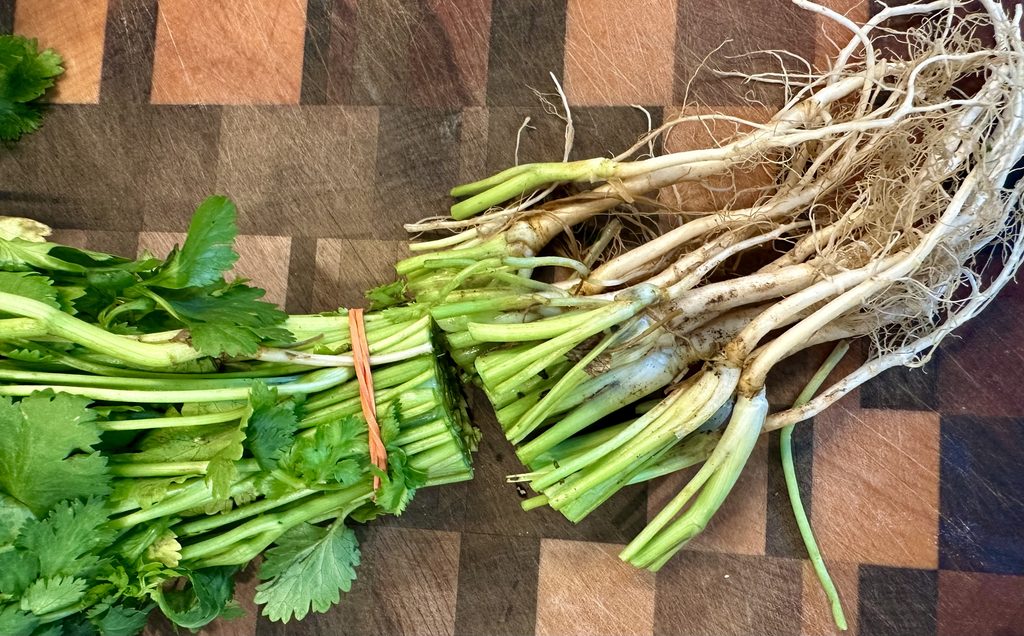
For everyone else, cilantro brings a fresh, citrusy flavour to tacos, curries, salads, salsas and soups. And don’t toss those stems! They’re tender, full of flavour and absolutely worth using.
Quick Recipe: Cilantro Onion Salsa
Cilantro + onion + acid + salt becomes much more than the sum of its parts. Let thinly sliced onion macerate in lime juice, and add a lot of freshly chopped cilantro just before serving. Perfect for tacos!

Parsley
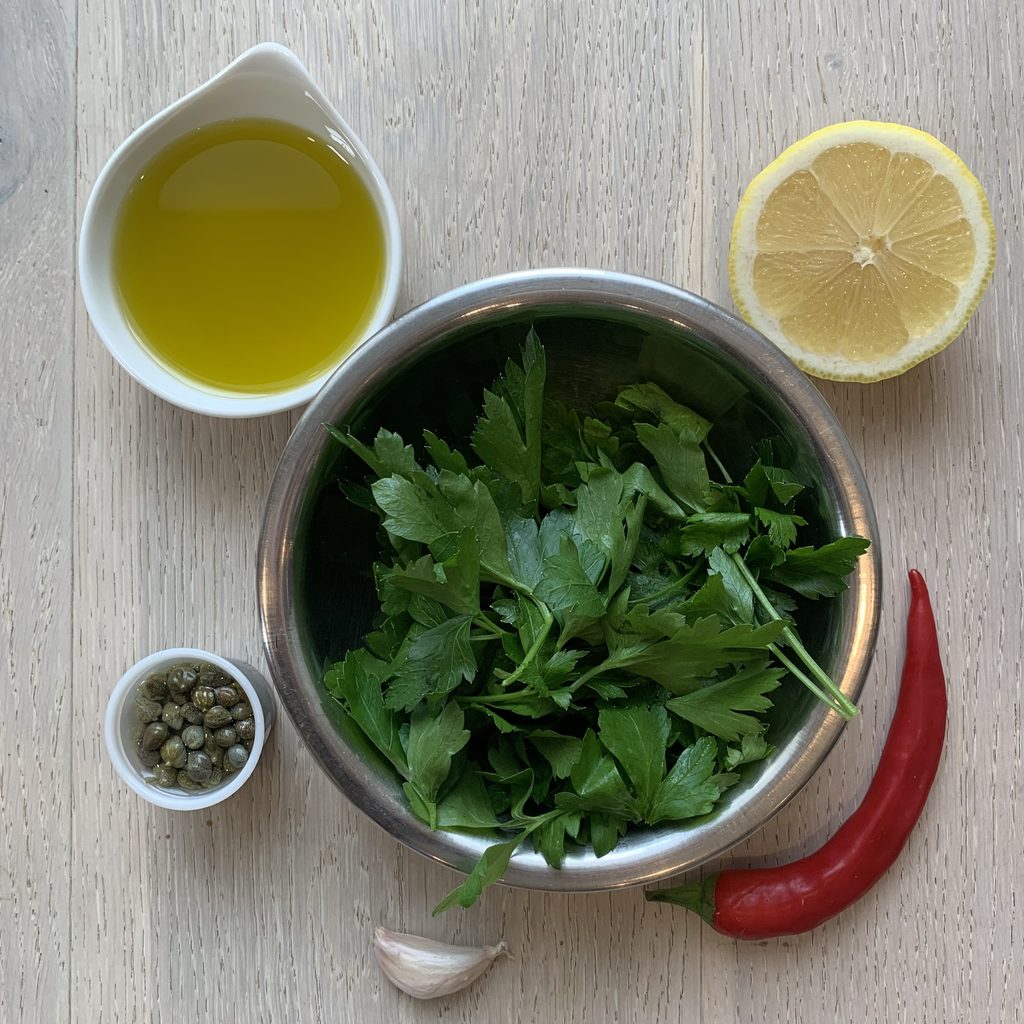
In general we prefer flat-leaf parsley over curly parsley, it is much lighter and fresher tasting! If you’ve got half a bunch of parsley hanging around, don’t wait for a recipe that calls for exactly two tablespoons. Chop it into scrambled eggs, toss it into salads, stir it through rice or add it to a vinaigrette.
Use the bunch: From chimichurri to our parsley pesto, there’s nothing parsley cannot go in!
Mint
Mint covers both savoury and sweet uses. Lamb, salads, peas, yogurt sauces, fruit and drinks. Jody used to just think that mint was reserved for toothpaste, until we started experimenting with Middle Eastern Cuisine, where it makes everything fresh & beautiful.
Strawberry-Mint Shrub
What is a shrub you ask? The punchy & fresh vinegar based cocktail you’ll make all summer long! Herbs + fruit + vinegar work so well together. Click HERE for our recipe!

Basil
Basil is one of those herbs that instantly tastes like summer. Tomatoes, peaches, zucchini, corn, mozzarella, pasta, pizza. If it’s fresh and in season, there’s a pretty good chance basil will work with it.
But basil is delicate, and too much heat quickly takes away the fresh, aromatic flavour you’re after. When we’re making a tomato sauce, for example, we’ll add basil right at the end, once the sauce has finished cooking. On pizza, pasta or grilled vegetables, we usually tear fresh leaves over the dish just before serving.
And yes, we said tear. Basil bruises easily, so if you’re only using a few leaves, tearing them with your hands works perfectly. If you’re chopping a larger amount, use a very sharp knife and chop it just before you need it.
Make Pesto, Of Course
If you’ve got a big bunch of basil, pesto is the obvious answer, and for good reason.
Our version uses pumpkin seeds instead of traditional pine nuts. We love the slightly toasted, nutty flavour they bring, they’re generally more economical, and they’re a great option when you want to skip the pine nuts altogether.
Pesto isn’t just for pasta, either. Spoon it over grilled chicken or fish, toss it with roasted vegetables, spread it on sandwiches, stir it into a vinaigrette or add a spoonful to soup.
Chef Tip
Fresh basil doesn’t love the refrigerator. If you’ve brought home a beautiful bunch, trim the stems and stand it in a glass of water on the counter, just like flowers. Avoid washing it until you’re ready to use it, and you’ll get much more life out of those leaves.
Dill
Fresh dill is the herb we go to when we want a fresh burst of summer anytime of the year. Big handfuls go into potatoes, onto eggs, into yogurt, with cucumbers and creamy sauces such as our Buttermilk dressing.
Naturally, in the summer, if you’ve got the big dill heads, it’s time to make our Homemade Dill Pickles.

Tarragon: A Little French Flair
Tarragon has a distinctive light licorice or anise flavour and is especially good with chicken, fish, eggs and creamy sauces. It’s a classic in French cooking and one of the key herbs in Béarnaise sauce.
It’s a delicate herb, so add it toward the end of cooking to keep its fresh flavour. And go easy. Tarragon can quickly take over a dish.
Chef Tip
Try finely chopped fresh tarragon in chicken salad or stirred into a simple Dijon vinaigrette. A little goes a long way.
Hardy Herbs: Rosemary, Thyme, Sage & Oregano
Direct answer: Hardy herbs can stand up to longer cooking times and higher temperatures, making them ideal for roasting, braising, grilling and pan-searing. Their sturdy stems and more concentrated aromatic oils mean you generally use less of them than tender herbs.
Rosemary
Fresh rosemary is completely different from tender herbs like cilantro or mint. This is an herb that loves heat.
One of our favourite ways to use it is also one of the simplest.
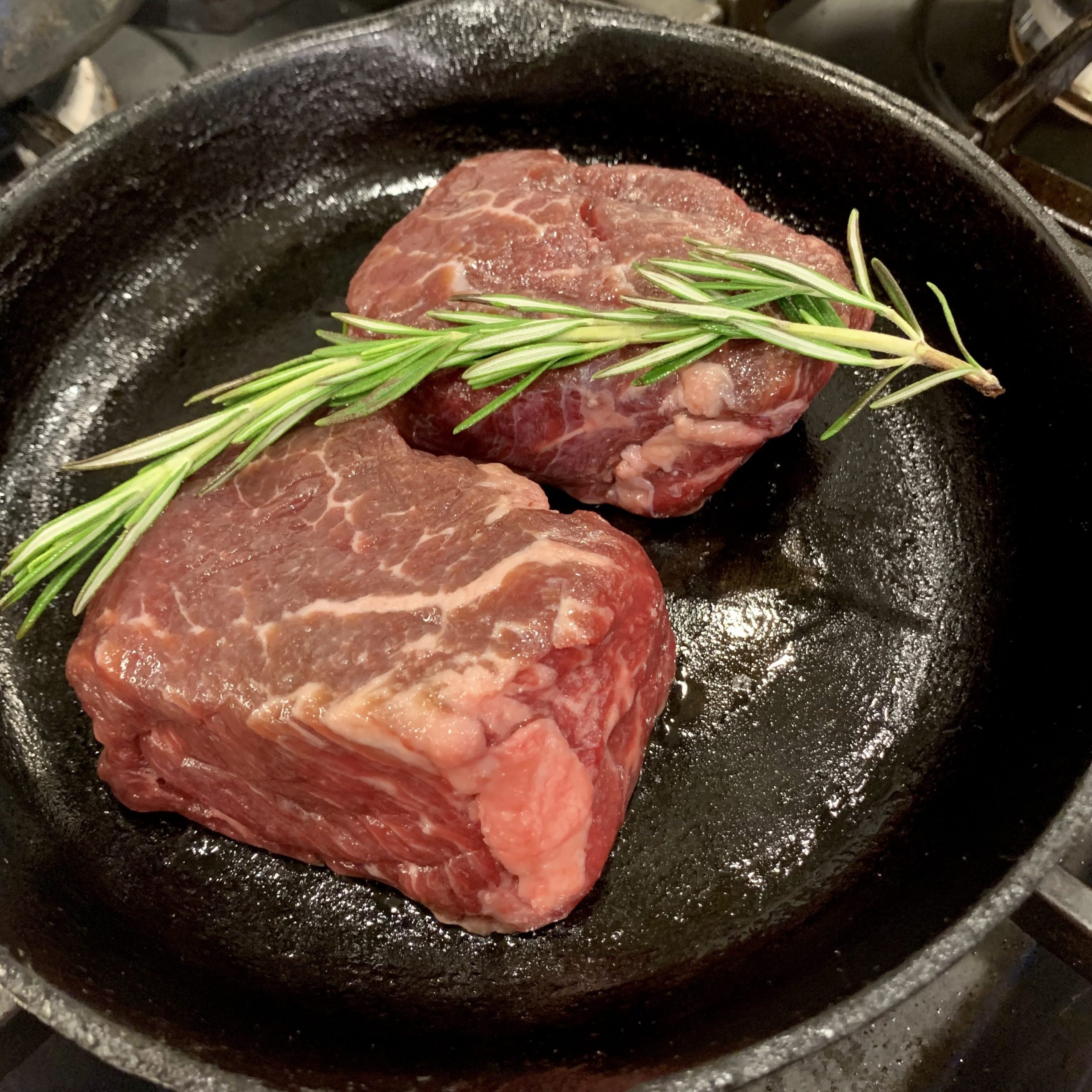
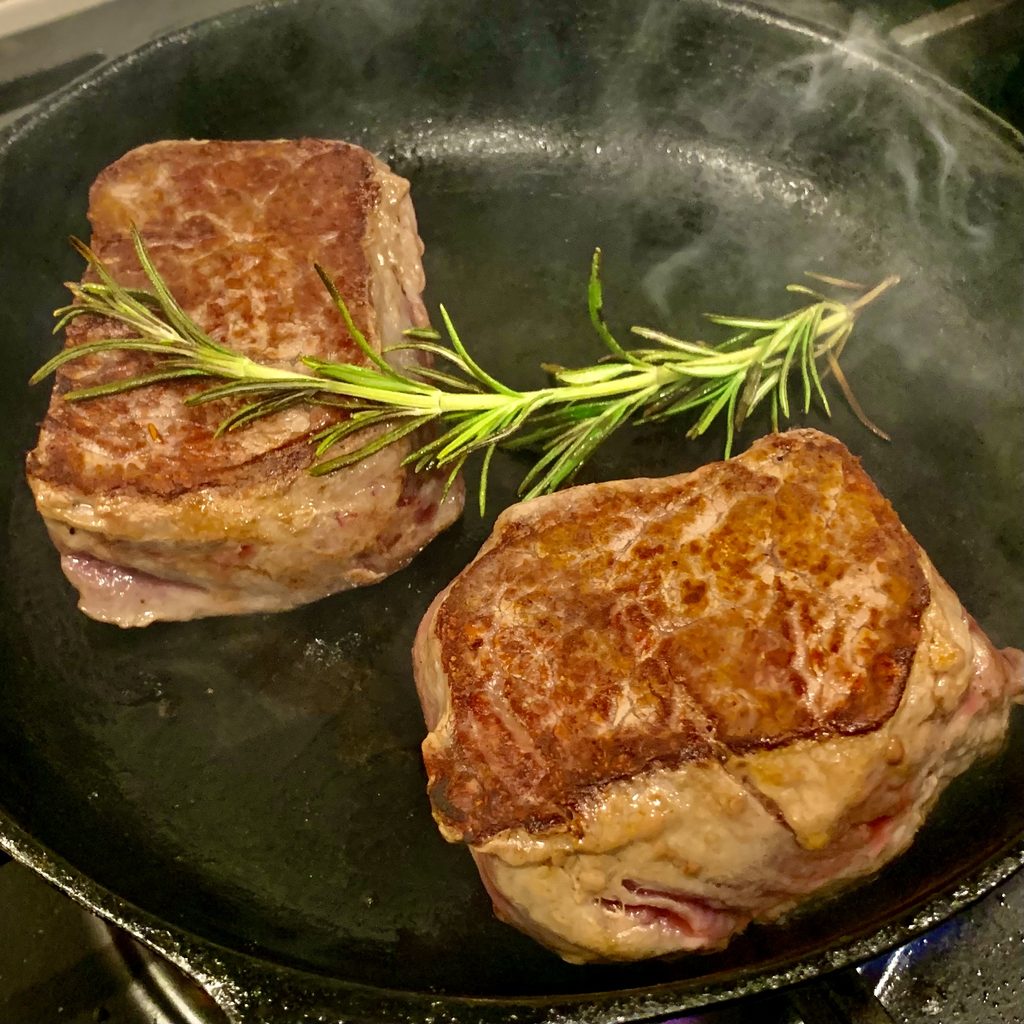
When you’re pan-searing a steak, add a couple of whole rosemary sprigs to the pan along with butter and garlic. As the butter foams, the heat releases the rosemary’s aromatic oils and perfumes the butter you’re spooning over the steak.
You get rosemary flavour without little pieces of chopped rosemary all over your dinner.
This same technique works beautifully with pork chops, lamb and roasted potatoes.
Thyme
Thyme: The Workhorse of Stocks & Soups
Thyme might not get the attention that basil or cilantro does, but in a professional kitchen, it’s one of those herbs we reach for constantly.
It’s especially useful in stocks, soups, stews and braises because thyme can handle long cooking without losing its flavour. In fact, it benefits from the time. Add a few whole sprigs at the beginning and they’ll slowly release their earthy, savoury flavour into the liquid as it cooks.
When we’re making chicken, beef or vegetable stock, we’ll often add whole thyme sprigs, stems and all, along with our onions, carrots, celery and other aromatics. There’s absolutely no need to stand there picking off those tiny leaves. Once the stock is finished, everything gets strained out anyway.
The same goes for soups. Add a few sprigs while the soup simmers, then simply fish out the woody stems before serving. The leaves will often fall away naturally and stay behind in the soup.
Thyme is particularly good with chicken, mushrooms, potatoes, beans, lentils, tomatoes and root vegetables, making it an easy addition to everything from chicken noodle soup to a hearty vegetable soup.
Chef Tip
If a recipe calls for fresh thyme leaves but you’re making something that will eventually be strained, don’t waste your time picking the leaves. Toss in the whole sprig and let the pot do the work.
And if you’ve got extra thyme starting to wilt in the fridge, don’t throw it out. Add it to your next batch of stock. Stock doesn’t care if your thyme isn’t Instagram-ready.
Sage
If Thanksgiving had an official herb, it would be sage.
Sage has a warm, earthy flavour that loves turkey, chicken, pork, squash and, of course, stuffing. It’s a sturdy herb, so unlike basil or cilantro, it can handle plenty of cooking time.
Fresh sage is also fantastic fried in butter until crisp. The leaves become crunchy while flavouring the butter at the same time. Spoon it over roasted squash, gnocchi or mashed potatoes and suddenly a very simple dish feels pretty special.
Chef Tip
Sage is powerful, so a little goes a long way. Start small. You can always add more.
Fresh Oregano
Oregano: One We Often Reach for Dried
Fresh oregano is bold and savoury, and works beautifully with tomatoes, grilled meats, chicken, lemon and olive oil. But oregano is probably the one herb we reach for dried just as often as fresh.
Unlike many herbs, oregano keeps a ton of flavour when dried, and that concentrated flavour is perfect for tomato sauces, Greek marinades, pizza, roasted vegetables and vinaigrettes.
Chef Tip
Rub dried oregano between your fingers as you add it. This helps release its aromatic oils and wakes up the flavour.
When Should You Add Fresh Herbs?
This is probably the most important thing to know.
Hardy herbs generally go in early. Soft herbs generally go in late.
Rosemary, thyme and sage need a little time and heat to release their oils and flavour the food around them
Cilantro, mint, dill and basil are different. Long cooking dulls the fresh flavour you’re using them for in the first place.
If we’re making a tomato sauce, for example, oregano or thyme can go in while it simmers. Fresh basil gets torn in at the end.
And if we’re making something like salsa, chimichurri or our fresh herb Tiger Salad, the herbs aren’t a garnish at all. They’re part of the dish.
Don’t Throw Away Those Herb Stems
This is one of those little kitchen habits that makes a difference.
The tender stems of cilantro and parsley are completely edible, and they’re packed with flavour.
Finely chop them right along with the leaves for salsa, chimichurri and salads. We also use parsley stems in stocks, soups and braises.
Woody rosemary and thyme stems are another story. Instead of chopping those, add the whole sprig to your pan or pot and pull it out later.
Less waste. More flavour. We like both. Can Fresh Herbs Be the Main Ingredient?
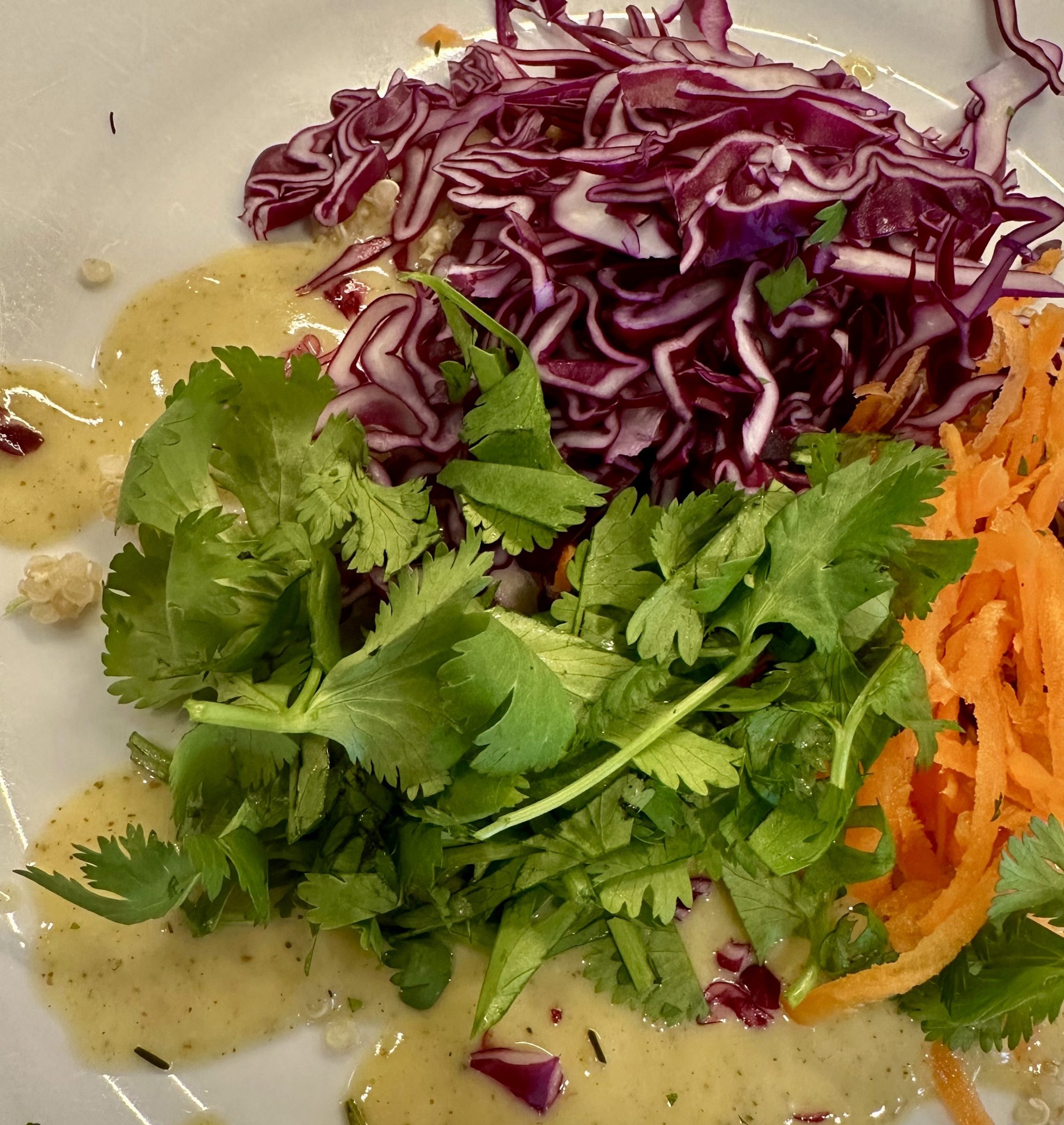
Absolutely. Fresh herbs don’t always need to be a garnish. In herb-heavy salads and sauces, they can behave more like leafy greens and become one of the main ingredients.
Try adding handfuls rather than teaspoons of herbs. Combine cilantro, mint, green onion and other leafy herbs with crunchy vegetables and a sharp dressing.
How to Store Fresh Herbs So They Last
If you’ve ever bought cilantro on Tuesday only to find a bag of green slime on Friday, you’re not alone.
How you store herbs makes a huge difference.
For cilantro and parsley, trim the stem ends and stand the bunch in a jar with a little water, almost like flowers. Loosely cover the top and refrigerate.
For mint, we use a similar method. Keep the stems hydrated and the leaves relatively dry.
For hardy herbs like rosemary and thyme, wrap them loosely in slightly damp paper towel and keep them in a container or reusable bag in the fridge.
Basil is the odd one out. It’s very sensitive to cold. We prefer keeping fresh basil at room temperature with its stems in water if we’re going to use it within a few days.
And whatever you do, don’t wash all your herbs and put them away soaking wet. Excess moisture is the fast track to slimy leaves.
What Can You Do With Leftover Fresh Herbs?
This is where people tend to get stuck.
You bought cilantro for taco night. You used a quarter of it. Now what?
Instead of thinking about herbs as something you need a specific recipe for, start adding them to the food you’re already making.
A handful of leftover herbs can go into:
- Scrambled eggs or omelettes
- Green salads
- Grain and quinoa salads
- Salsa
- Vinaigrettes
- Compound butter
- Pesto
- Chimichurri
- Soups
- Sandwiches
- Roasted vegetables
- Rice
- Pasta
- Yogurt sauces
You can also chop softer herbs and freeze them in olive oil in an ice cube tray. They won’t come back looking fresh enough for a salad, but they’ll be perfectly useful for cooking.
Can You Substitute One Fresh Herb for Another?
Sometimes.
Parsley and cilantro can often swap places when the goal is freshness, although they certainly don’t taste the same.
Mint and basil can work surprisingly well together or in place of one another in certain summer salads.
Thyme and rosemary can often fill similar roles with roasted meat and vegetables, but rosemary is considerably stronger, so use less.
Dill is harder to replace because its flavour is so distinctive. Tarragon can occasionally work, depending on the recipe.
The bigger question to ask is: What is the herb doing in this dish?
If it’s providing fresh flavour at the end, another soft herb may work. If it’s flavouring a roast for two hours, you need something hardy enough to handle the heat.
Chef Tips for Cooking With Fresh Herbs
Use more than you think. When herbs are a main component of a salsa, salad or sauce, a tiny sprinkle isn’t going to do much.
Use the stems. Tender parsley and cilantro stems are full of flavour.
Chop with a sharp knife. A dull knife bruises delicate herbs and turns them into a wet green mess.
Don’t chop too far ahead. Herbs are most aromatic immediately after they’re cut.
Taste before adding more salt. Sometimes what a dish is missing isn’t salt at all. A handful of fresh herbs may be enough to brighten the whole thing.
Match the herb to the cooking time. Hardy herbs early, delicate herbs late. That one rule will get you pretty far.
Key Takeaways
- Learn whether you’re working with a tender or hardy herb before deciding when to add it.
- Tender herbs generally taste best raw or added near the end, while hardy herbs can handle longer cooking.
- Cilantro and parsley stems are flavourful and don’t belong automatically in the compost.
- Proper washing, drying and storage dramatically extends the life of fresh herbs.
- Use extra herbs generously in sauces, salsas, salads and pesto rather than watching them slowly die in the fridge.